
From the Minister
Taking the Next Step
We've just had the Scarecrow Weekend here in the village, and what a weekend it was!
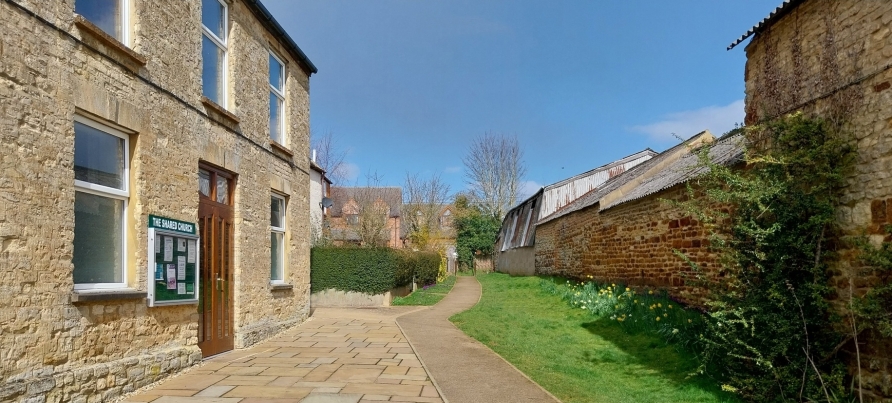
And over the weekend we opened the church with a team of dedicated church folk serving tea, coffee and cake. Nothing particularly complicated, nothing especially clever-just a warm welcome, some refreshments and the opportunity to chat.
It was lovely to see the school room full of people, many of whom wouldn't normally come into the church. There were conversations with people we already knew, conversations with people we had never met before, and lots of those ordinary little interactions that can so easily be overlooked.
Over the last few months I've been writing about prayer, listening and joining in. It wasn't really planned as a series, but I suppose that's what it has become!
We've thought about how important prayer is to the life of the church. We've thought about listening—not just listening to God, but listening to the people around us. Last month I wrote about joining in with what God is already doing.
And the Scarecrow Weekend is an example of what that can look like. We opened the doors; people came in. We welcomed them, we talked to them, we listened to them, and we shared a little bit of life together.
You see mission doesn't always look like how we imagine it will be. Its not always about having the right programme, organising the right event or finding the right words to say. It can be much simpler than that. Perhaps it is about being there ready to welcome people, listen and have a conversation. About being able to offer a cup of tea and a piece of cake! And through these ordinary things, God is already at work.
Of course, not everyone who came into the hall will suddenly decide that they want to come to church. That's not the point. We aren't in control of what happens next. But we have made connections. People have seen that the church is open. They have met people from the church and they have been made welcome.
Perhaps some of them will come back. Perhaps some will ask a question. Perhaps some will simply remember that the church was a place where they felt welcome. We don't know, and that's ok.
You see God made us who we are, and gave us certain gifts and abilities, our part is to be faithful in the opportunities God gives us.
This is actually one of the things we have been thinking about in our ‘Becoming a Contagious Christian’ course. How do we share our faith naturally? How do we build relationships with people? How do we listen to their stories and discover where they are on their own journey? How do we recognise opportunities to talk about our faith without trying to force them?
The Scarecrow Weekend was a great example of this in practice. We weren't standing at the door trying to persuade people to become Christians. We were simply there, welcoming people, talking with them, listening and sharing something of our community.
Mission happens in conversations, in friendships, over coffee, in the village, at work, at school, in our families and in all those ordinary places where we find ourselves.
So mission happens when we can just be ourselves, not trying to be anything we are not, and allowing our faith to shine through.
So perhaps the next step isn't about finding another big thing for the church to do. Perhaps it's about noticing the opportunities that are already there. The person we meet. The conversation we have. The invitation we make. The cup of coffee we share. The opportunity to listen. - The chance to show someone something of the love of God.
Rev Rick